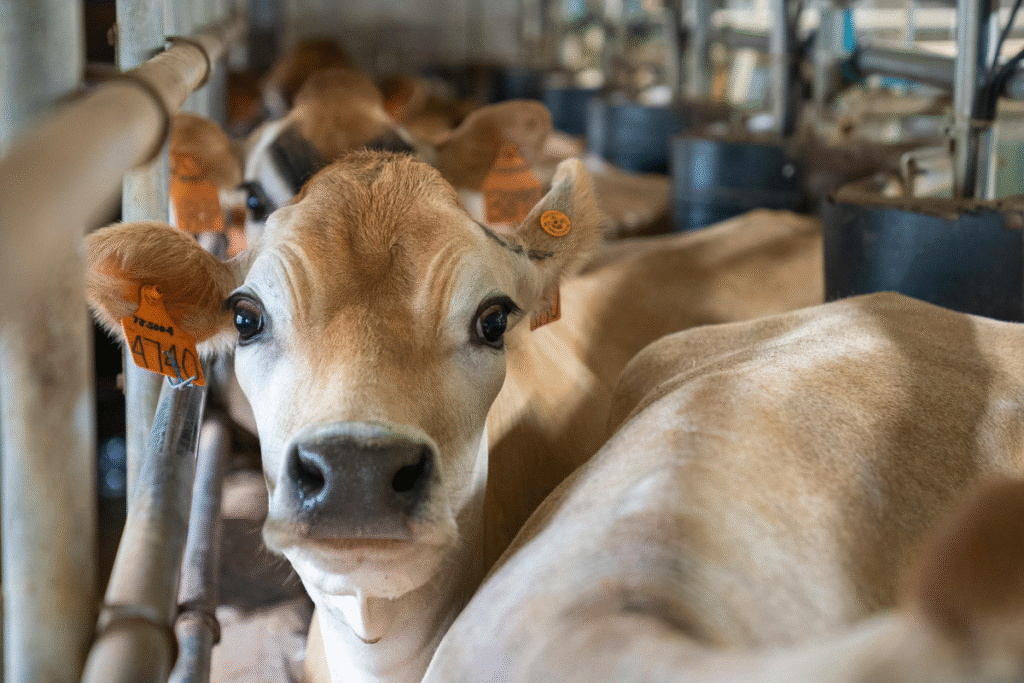
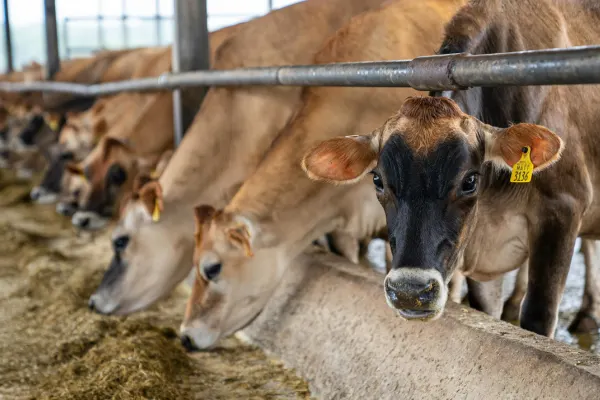
Pregnancy checks often bring an unwelcome surprise. More open cows than expected, even in herds that appear healthy and well managed. When this happens, disease is usually the first concern. In practice, however, reproductive performance is rarely lost overnight due to infection alone. More often, it declines gradually as the cumulative effects of management and nutrition begin to strain the cow’s biology.
Reproduction places a heavy demand on the animal. When resources are limited, the cow prioritizes survival and milk production. Fertility is pushed aside. Understanding why this happens requires looking beyond single events and focusing on how nutritional stress builds over time.
Reproduction Under Metabolic Pressure
The breeding period overlaps with one of the most demanding phases of the production cycle. After calving, the cow must recover body condition, sustain lactation, resume ovarian activity, and prepare for pregnancy. All of this occurs while nutrient intake may not yet be sufficient to meet demand.
When energy and protein fall short, hormonal signalling weakens. Ovulation may be delayed, heat expression becomes subtle, and conception rates decline. This response is not abnormal. It is a biological safeguard. If the cow cannot meet her own metabolic needs, she will delay supporting a pregnancy.
Body condition reflects this balance clearly. Thin cows are consistently less likely to breed back, especially when they are still milking during the breeding season.
Forage Quality Matters More Than Forage Volume
Pasture conditions can be deceptive. Plenty of grass does not always mean adequate nutrition. As forage matures, digestibility declines. Energy and protein availability drop as stems harden and seed heads develop, even when pasture appears abundant.
Wet seasons often accelerate this process, leading to mature forage that fills the rumen but fails to meet metabolic needs. In contrast, drier conditions can slow plant maturity, sometimes preserving forage quality despite lower yields. In both situations, reproductive performance follows nutrient availability, not pasture appearance.
Breeding on a declining plane of nutrition places cows at a disadvantage during a period when demand is already high.
Why Young Cows are Affected First
Heifers and young cows carry the highest reproductive risk. They must divide nutrients between growth, milk production, and reproductive recovery. As genetic selection increases milk yield and mature size, these demands rise further.
When nutrition does not keep pace, pregnancy rates drop first in second and third calving cows. This pattern usually reflects a mismatch between genetics, environment, and feed supply rather than a true reproductive disorder. Managing young cows separately and supporting their higher requirements often reveals this difference quickly.
Micronutrients, Bull Performance, and Early Losses
Beyond energy and protein, reproductive success depends on micronutrient balance. Vitamin A supports reproductive and immune function but varies widely in stored feeds. Phosphorus levels decline as forage matures and play an important role in energy metabolism. Trace minerals support hormone production, ovarian activity, and uterine recovery. Deficiencies may not cause obvious illness but can quietly reduce conception and embryo survival.
Bull management also contributes significantly. Inadequate bull numbers, subfertility, or injuries during the breeding season can increase open rates without immediate signs. Even after conception, stress from excessive handling, transport, or early pregnancy checking can lead to embryonic loss, further lowering confirmed pregnancy rates.
Nutrition as The Primary Driver of Fertility
Across production systems, one principle remains consistent. Reproductive efficiency follows nutritional efficiency. Health programs and genetics cannot compensate for nutrient shortages during breeding.
Practical feeding strategies that improve nutrient utilization and maintain an increasing plane of nutrition during critical periods offer the most reliable improvement in fertility. Reproductive success is not restored through isolated fixes but through sustained metabolic support when cows need it most.
GOJIVA™ – Supporting Fertility, Naturally
Reproductive performance improves when the nutritional foundation is strong enough to support recovery, lactation, and breeding without compromise. GOJIVA™ addresses the core nutritional imbalances that quietly undermine fertility by strengthening the cow’s energy and protein balance, improving rumen efficiency, and enhancing nutrient absorption so that available feed is converted into body condition, milk production, and reproductive recovery. This support is especially critical during post calving, peak lactation, and early breeding, when biological demand is highest and cows are most vulnerable to delayed ovulation, weak heat expression, poor conception, and early embryonic loss.
GOJIVA™ supports fertility by:
- Improving energy and protein balance during high demand periods
- Enhancing rumen efficiency and nutrient utilization
- Reducing nutritional stress that delays ovulation and conception
- Supporting early pregnancy retention
- Compensating for seasonal forage quality variation within existing feeding systems
Reproductive success is not achieved by forcing fertility, but by restoring the nutritional balance that allows the cow’s natural reproductive system to function efficiently. By working within current feeding programs, GOJIVA™ helps deliver steadier cycling, improved conception, stronger pregnancy retention, and fewer open cows at pregnancy check.