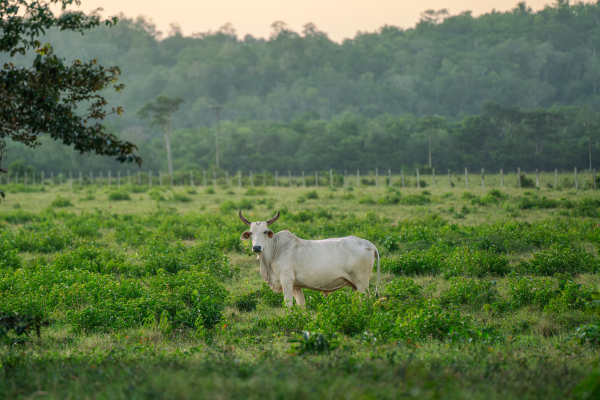
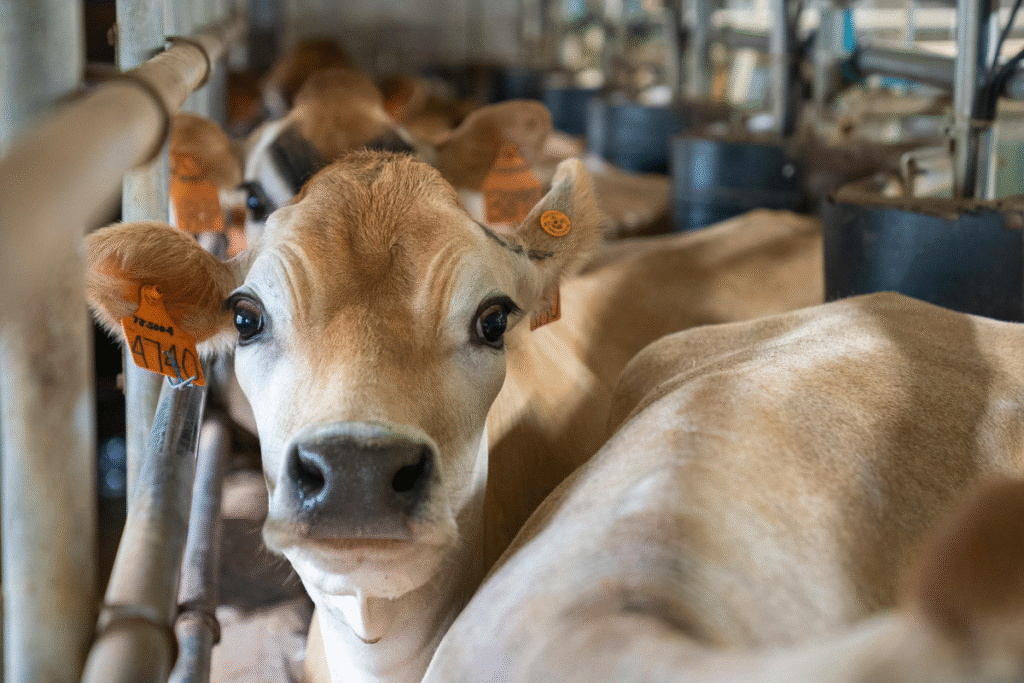
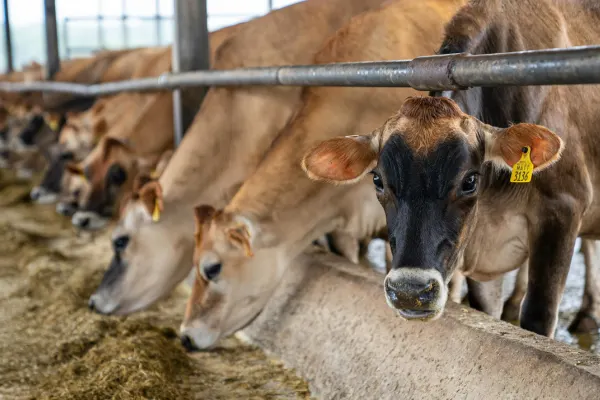
In tropical regions, summer is not a brief or mild seasonal shift. It is a prolonged phase marked by high ambient temperatures, elevated humidity, and intense solar radiation. For cattle, this combination creates constant thermal pressure that disrupts their natural ability to regulate body temperature. Unlike cooler climates, tropical nights often fail to provide adequate relief, preventing animals from recovering from daily heat exposure.
As this heat load accumulates, cattle begin to experience heat stress that affects far more than comfort. Core physiological processes such as digestion, metabolism, immune response, and hormonal balance are gradually compromised. What appears externally as reduced activity or appetite is, internally, a complex struggle to maintain homeostasis. This makes summer one of the most challenging periods for cattle management in tropical systems.
Reduced Feed Intake and the Energy Gap
One of the earliest and most consistent effects of summer stress is a reduction in feed intake. Cattle instinctively eat less to minimize metabolic heat production associated with digestion. While this response helps limit internal heat generation, it simultaneously reduces the intake of essential nutrients and energy.
Over time, this decline pushes animals into a negative energy balance. Milk yield begins to fall, body condition weakens, and growth rates slow. Even well managed herds with high quality rations cannot escape this seasonal intake suppression. In tropical summers, the challenge is not feed availability but the animal’s reduced capacity to consume and utilize that feed efficiently.
Rumen Stress and Digestive Inefficiency
The rumen is highly sensitive to environmental stress, and summer conditions disrupt its stability. Altered feeding patterns, irregular intake, and increased water consumption change rumen fermentation dynamics. Microbial populations responsible for fiber digestion become less efficient, directly reducing nutrient extraction from the diet.
As rumen efficiency declines, feed conversion worsens.
Even when cattle consume reasonable amounts of feed, the energy derived from it is insufficient to meet physiological demands. This digestive inefficiency amplifies the effects of reduced intake, leading to compounded production losses. A stressed rumen during summer becomes one of the key hidden reasons behind poor performance in tropical cattle.
Decline in Milk Production, Reproduction, and Immunity
Milk production is often the first measurable casualty of tropical heat stress. Along with reduced yield, milk quality parameters such as fat percentage may decline, while somatic cell count tends to increase. These changes reflect both metabolic stress and weakened immune defense within the animal.
Reproductive performance is equally affected. Heat stress interferes with hormonal regulation, leading to silent heat, delayed ovulation, lower conception rates, and increased early embryonic loss. At the same time, elevated oxidative stress and cortisol levels suppress immune function, making cattle more vulnerable to mastitis, parasitic infestations, and seasonal infections. The impact of summer stress often extends well beyond the season, affecting herd performance in subsequent cycles.
When Tropical Summers Rise, GOJIVA™ Steps In
Managing cattle during tropical summers requires more than environmental adjustments alone. Since reduced feed intake and rumen instability are unavoidable under heat stress, nutritional strategies must focus on efficiency, stability, and biological support. This is where GOJIVA™ plays a critical role in summer management programs.
GOJIVA™ is designed to support rumen function and nutrient utilization during periods of thermal stress. By helping stabilize rumen microbial activity and improve fiber digestion, it enables cattle to extract more value from reduced feed intake. This biological support helps limit energy deficits, sustain milk production, and reduce digestive strain without increasing metabolic heat load. Beyond digestion, GOJIVA™ contributes to maintaining overall physiological balance during summer. By supporting nutrient availability and metabolic efficiency, it helps protect reproductive performance and immune strength during periods of prolonged heat exposure. In tropical systems where summer stress is unavoidable, GOJIVA™ becomes a strategic tool to help cattle cope better, perform consistently, and recover faster once conditions normalize.